Essential Tools for Effective Electrical Troubleshooting
Table Of Contents
Clamp Meters for Current Measurement
Clamp meters are essential tools for measuring electric current without needing to disconnect wires. Their design allows users to encircle a wire with the device, providing a non-intrusive means of obtaining current readings. This feature proves particularly beneficial in situations where equipment access is limited or when quick measurements are required. Most models can measure both alternating current (AC) and direct current (DC), making them versatile for a variety of applications.
Effective use of clamp meters involves understanding their range and settings. Users should select the appropriate function based on the type of current being measured, ensuring accurate readings. Calibration is crucial, as it maintains the precision of the device over time. Familiarity with the specific clamp meter's features can enhance accuracy and efficiency in troubleshooting electrical systems. Regular maintenance and proper storage of the clamp meter will further ensure longevity and reliability in measurements.
How to Use Clamp Meters Effectively
Clamp meters are valuable tools for measuring current without needing to disconnect wires. To use a clamp meter, first ensure the device is set to the appropriate mode for current measurement. Open the clamp and position it around one conductor in the circuit, making sure not to encircle multiple wires, as this could result in inaccurate readings. Once in place, switch on the device to display the current flow in amps.
When interpreting the results, pay attention to the meter's range setting. Some clamp meters automatically adjust to the current level, while others may require manual selection. It is also crucial to keep the meter calibrated and to check its battery level regularly, ensuring accuracy in readings. Familiarity with specific features, such as peak hold function or True RMS capability, enhances the effectiveness of the clamp meter during troubleshooting tasks.
Insulation Resistance Testers
Insulation resistance testers play a crucial role in identifying potential issues within electrical systems. These devices measure the resistance of insulation surrounding electrical conductors, ensuring that the insulation is intact and functioning properly. A low insulation resistance reading indicates potential breakdowns or deterioration, which can lead to short circuits or equipment failure. Regular testing helps maintain the safety and efficiency of electrical installations.
Using these testers is vital for preventive maintenance. Technicians can perform insulation resistance tests during routine inspections or before energising new equipment. Taking measurements in various environmental conditions provides a clearer picture of insulation performance over time. This proactive approach aids in mitigating risks related to electrical faults and promotes longer equipment lifespan.
Importance of Insulation Testing
Insulation testing plays a crucial role in maintaining electrical safety and performance. By assessing the integrity of insulating materials, it helps identify potential weaknesses or faults that could lead to hazardous situations. Regular insulation testing ensures that any degradation of insulation is promptly addressed, which not only protects equipment but also safeguards personnel from electric shock or fire risks.
Furthermore, insulation resistance testing can enhance the longevity of electrical systems. The results from these tests provide vital data that can inform maintenance decisions and operational efficiency. Identifying insulation issues early allows for timely repairs and can prevent costly downtime or equipment damage, ultimately contributing to a more reliable electrical infrastructure.
Voltage Testers for Safety Checks
Voltage testers play a crucial role in ensuring the safety of both electrical systems and personnel. These tools help verify the presence of voltage and identify dangerous live wires before any work commences. When performing electrical repairs or maintenance, using a voltage tester can prevent potentially lethal accidents, allowing technicians to work with confidence. Their portability and ease of use make them suitable for a variety of environments, from residential to industrial settings.
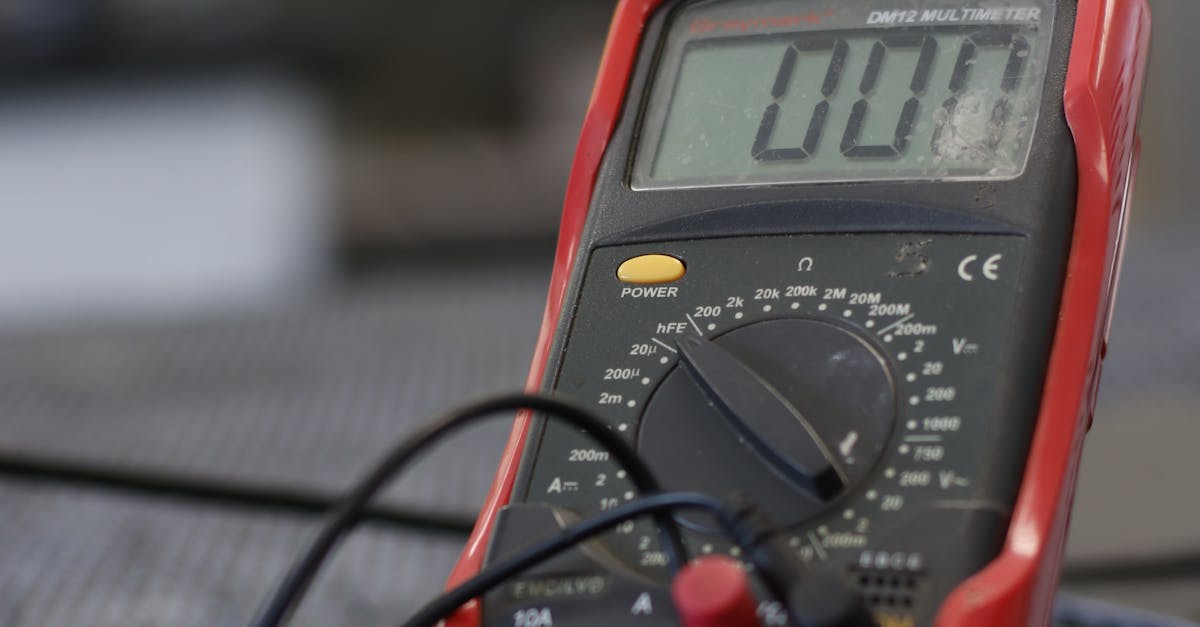
There are several types of voltage testers available, each designed for specific purposes. Non-contact voltage testers allow users to detect voltage without making direct contact with electrical components, enhancing safety during preliminary checks. On the other hand, traditional multimeters offer more comprehensive readings, measuring not only voltage but also current and resistance. Each type of tester offers unique advantages, making it essential for professionals to choose the right tool based on the task at hand.
Types of Voltage Testers and Their Uses
Voltage testers play a crucial role in ensuring safety and functionality in electrical systems. Among the most common types are non-contact voltage testers, which allow users to safely detect the presence of voltage without making direct contact with wires. These are particularly useful for quickly checking outlets, cords, and electrical panels. Another popular type is contact voltage testers, which require a direct connection with the circuit. These testers typically provide a more accurate reading and are often used when a precise voltage level needs to be measured.
Multimeters are versatile tools that also function as voltage testers. They can measure direct current (DC) and alternating current (AC) voltages, alongside other electrical parameters like resistance and current. When using a multimeter, it’s essential to select the appropriate setting for the task at hand, ensuring correct measurements. Each type of voltage tester serves its purpose, allowing electricians to choose the right tool based on the specific needs of their projects or troubleshooting situations.
FAQS
What is a clamp meter, and how is it used in electrical troubleshooting?
A clamp meter is a tool designed to measure the current flowing through a conductor without needing to make direct contact. It is used in electrical troubleshooting to quickly assess current levels, helping technicians identify potential issues in circuits.
Why is insulation resistance testing important?
Insulation resistance testing is crucial for ensuring that electrical systems are safe and functioning correctly. It helps detect any deterioration or damage in insulation materials, which can prevent electrical faults, short circuits, and potential hazards.
What are the different types of voltage testers available?
There are several types of voltage testers, including non-contact voltage testers, multimeters, and solenoid voltage testers. Each type has specific uses, such as detecting the presence of voltage, measuring voltage levels, or testing for continuity in circuits.
How can I use a clamp meter effectively?
To use a clamp meter effectively, ensure it is set to the correct measurement mode (AC or DC), correctly position the clamp around the conductor without any other wires in the clamp, and read the displayed current measurement. It's important to follow safety guidelines while using the device.
What safety precautions should I take when using electrical troubleshooting tools?
Always wear appropriate personal protective equipment (PPE), ensure the tools are rated for the voltage you are working with, avoid working on live circuits when possible, and follow manufacturer instructions for each tool to ensure safe usage.
Related Links
Understanding Circuit Issues: A Guide for Warragul ResidentsUnderstanding Tripping Circuit Breakers: Troubleshooting Steps
Common Causes of Flickering Lights and Their Solutions
The Importance of Professional Fault Finding
Emergency Electrical Troubleshooting: What to Do First
How to Trace Electrical Faults in the Home