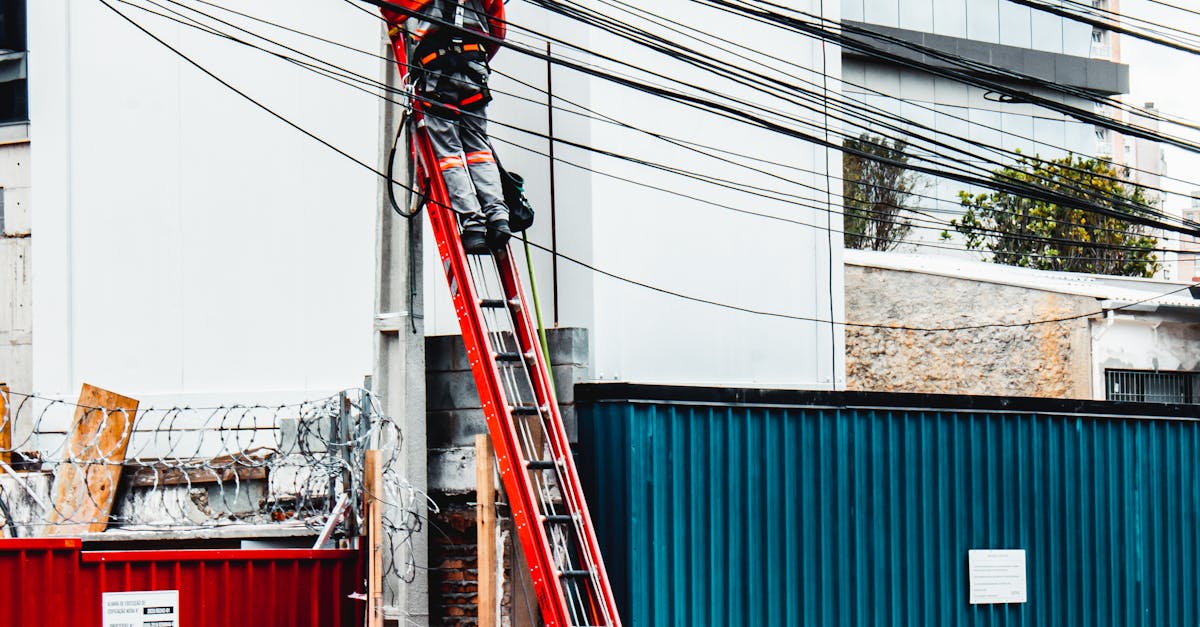
Key Components of an Electrical Safety Inspection Checklist
Table Of Contents
Testing Circuit Breakers and Fuses
Regular testing of circuit breakers and fuses is essential to ensure the safety and functionality of an electrical system. This process involves manually checking each breaker to confirm it trips correctly under simulated overload conditions. A trip test should be performed for all circuit breakers, as this confirms that the device will react properly in an emergency. Additionally, inspecting fuses involves verifying that they are not blown and that they are rated appropriately for the circuit they protect.
It's important to understand the specific ratings of circuit breakers and fuses. Each device is designed for certain loads and using an incorrect type can lead to dangerous situations. Maintaining circuit breakers and fuses also means ensuring they are free from corrosion and securely mounted. Regular documentation of tests helps track the condition over time and supports timely replacements or repairs, ultimately enhancing overall electrical safety.
How to Verify Breaker Functionality
To ensure that circuit breakers are functioning correctly, it is important to test their operation periodically. This process usually involves turning off the main power supply and engaging the breaker in question. A well-functioning breaker will return to the off position smoothly after being switched on. It is also essential to listen for any unusual sounds during this process, as a buzzing or humming noise may indicate underlying issues.
Additionally, it's advisable to inspect the breaker for signs of wear or damage. Visual checks should focus on the terminals and connectors for any signs of corrosion or overheating, which can lead to faulty operation. Keeping a detailed record of the testing process can help identify patterns over time, assisting in the proactive maintenance of the electrical system. Regular checks contribute to overall safety and ensure that the breakers can perform their intended function in the event of electrical faults.
Checking Outlets and Switches
Inspecting outlets and switches is crucial for ensuring the overall safety of an electrical system. One should start by checking for any visible signs of wear and tear. Cracks, burn marks, or a loose fit within the wall can indicate potential hazards. Additionally, cover plates must be intact to prevent accidental contact with live wires. Testing the functionality of outlets using a multimeter ensures they provide the correct voltage, confirming that the electrical supply is safe for use.
Regular checks for moisture or humidity around outlets and switches are also important. Damp environments could lead to corrosion or electrical shock hazards. Ensure that all switches operate smoothly, without any flickering or sticking. This not only aids in maintaining safety but also enhances the longevity of the electrical installations in the home or workplace. Evaluating these components helps prevent electricity-related accidents and enhances the efficiency of the electrical system.
Signs of Wear and Tear
Inspecting outlets and switches for signs of wear and tear is essential to maintain electrical safety throughout a property. Look for discolouration around the outlets, which may indicate overheating. Frayed wires, cracked casings, or loose fittings can compromise safety and signal an immediate need for repairs. Any unusual noises, such as buzzing or humming sounds, warrant further investigation and may suggest a more serious underlying issue.
Additionally, ensuring that switches operate smoothly without hesitation is vital. Stiff or flickering switches often point to electrical problems that could become hazardous if not addressed promptly. Regular checks can help identify these issues early, preventing potential electrical accidents and ensuring the integrity of the electrical system. Promptly addressing any signs of deterioration fosters a safer environment for all occupants.
Evaluating Appliance Safety
Ensuring the safety of appliances in the home is vital for preventing electrical hazards. Start by inspecting all cords and plugs for any signs of damage, such as fraying or exposed wiring. Over time, appliances may develop faults that can pose serious risks. It is advisable to check for the presence of a reputable certification mark on each appliance, as this indicates it meets safety standards.
Regular functionality tests should be conducted to determine if appliances operate as intended. Overheating during use, unusual noises, or a burning smell are immediate warning signs of potential faults. In addition, it’s crucial to follow manufacturer guidelines regarding usage and maintenance. Proper care can significantly reduce risks and prolong the life of electrical devices in the household.
Guidelines for Electrical Appliances
Electrical appliances should always be used in accordance with manufacturer instructions. Each device comes with specific guidelines regarding safe usage, which often include recommendations for installation, operation, and maintenance. Regular checks are crucial to ensure that appliances are operating correctly and efficiently. Users should also pay attention to any signs of malfunction, such as unusual sounds, overheating, or burnt smells. These can indicate underlying issues that require immediate attention to prevent potential hazards.
It’s essential to ensure that all appliances are fitted with appropriate safety features such as automatic cut-off switches or circuit breakers. This can help protect against electrical overload or short circuits. When using extension cords or power boards, only connect appliances that are suitable for their rated capacity. Avoid daisy-chaining numerous devices, as this significantly increases the risk of electrical fires. Always ensure that any repairs or modifications are carried out by qualified electricians to maintain safety standards.
FAQS
What is the purpose of an electrical safety inspection checklist?
An electrical safety inspection checklist is designed to ensure that all electrical systems and components within a property are functioning properly, are safe to use, and meet applicable safety standards.
How often should I perform an electrical safety inspection?
It is recommended to perform an electrical safety inspection at least once a year, or more frequently if you notice any signs of wear and tear, or if you have added new electrical appliances or installations.
What should I look for when checking circuit breakers and fuses?
When checking circuit breakers and fuses, you should verify their functionality by ensuring they trip and reset properly, look for signs of damage or burn marks, and replace any that are faulty or outdated.
How can I tell if an outlet or switch is damaged?
Signs of damage in an outlet or switch include visible cracks, burn marks, a loose fit for plugs, or if they feel hot to the touch. Any of these signs indicate that the outlet or switch should be inspected or replaced by a qualified electrician.
What are the key guidelines for evaluating appliance safety?
Key guidelines for evaluating appliance safety include checking for frayed cords, ensuring that appliances are properly grounded, confirming that they meet compliance standards, and making sure they have no signs of overheating or damage.
Related Links
How Often Should You Schedule Electrical Safety Inspections in Your HomeCommon Electrical Safety Issues Identified During Inspections
The Consequences of Neglecting Electrical Safety Inspections
Benefits of Timely Electrical Safety Assessments in Warragul
The Role of Qualified Electricians in Ensuring Electrical Safety